Is Your Child Hiding Dyslexia? Take This 5-Minute Test to Find Out
A New Tool for Early Dyslexia Screening
An innovative and affordable screening assessment for dyslexia has been introduced, offering parents a more accessible option amid growing concerns about the high costs and lengthy processes of traditional testing. This groundbreaking tool, called Talamo, could significantly improve the lives of children who are struggling in school without a diagnosis.
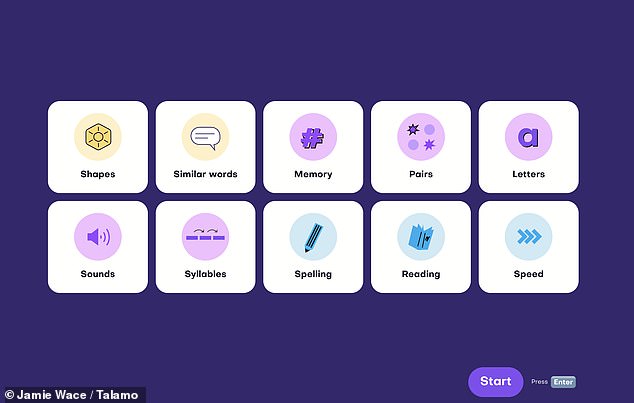
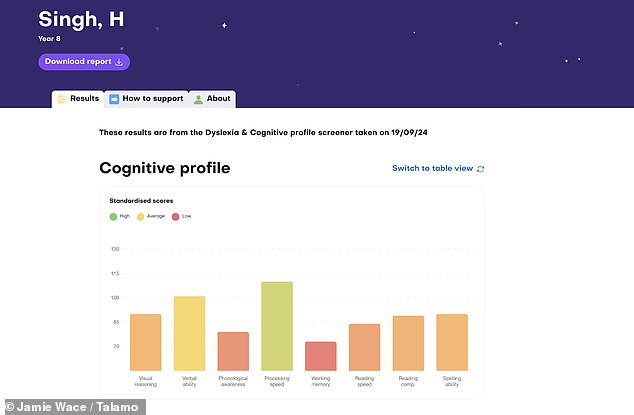
The Talamo test is a 45-minute digital assessment that is much cheaper and faster than standard formal evaluations, which can cost up to £800 and take weeks to complete. At just £60, the test involves a series of puzzles and questions designed to evaluate a child's memory, reading, spelling, and problem-solving abilities. It provides an almost immediate detailed report based on the results, helping parents understand if their child may have dyslexia and where their weaknesses lie. The report also includes recommendations for how teachers can best support the child's learning.
This initiative follows a powerful documentary by TV chef Jamie Oliver, who was diagnosed with dyslexia at the age of seven. In his June documentary, he highlighted the challenges faced by thousands of children with dyslexia and advocated for earlier screening and better support in schools. Talamo is already being used in 560 schools across the country to identify the condition early and provide tailored support to struggling students.
The British Dyslexia Association is collaborating with the company behind Talamo, emphasizing the importance of early intervention. Dyslexia affects around 6.3 million people in the UK and is the most common learning difficulty, with 10 to 15% of schoolchildren thought to have it. However, studies suggest that four out of every five cases go undiagnosed, leading to long-term consequences such as lower qualifications, lower-paid jobs, and higher rates of mental health issues.
Formal assessments for dyslexia typically require three hours of testing conducted by an educational psychologist or a qualified specialist teacher with two years of training, followed by a detailed report. The new tool, developed by 30-year-old tech entrepreneur Jamie Wace, who was diagnosed with dyslexia at 14, aims to make this process much quicker and more accessible.
Wace was inspired to create Talamo after realizing that too many children were not receiving the necessary support. He shared his personal experience, saying, "Things started to change for me when I got my diagnosis – it was actually a relief because I'd previously thought I was just a bit stupid." He emphasized the importance of identifying strengths and weaknesses to receive appropriate support.
Talamo offers parents a free initial questionnaire to determine if their child might exhibit signs of dyslexia. The test, developed with 50 specialists, is suitable for children aged 7 to 16 and is based on questions from formal cognitive assessments like the Woodcock-Johnson-IV tests. It evaluates ten areas of a child's brain, including spatial reasoning, spelling, reading, memory skills, processing speed, and non-verbal reasoning. The results are presented in a report that indicates the likelihood of dyslexia and highlights areas needing improvement.
Although Talamo cannot officially diagnose dyslexia, it can encourage schools to provide support. Wace believes that even without a formal diagnosis, early intervention can make a significant difference. Michelle Catterson, headteacher at Moon Hall School, uses Talamo in its not-for-profit assessment center, stating that it helps close the disadvantage gap by providing confidence to parents and guiding them toward the right support.
Jamie Oliver, in his Channel 4 documentary "Jamie's Dyslexia Revolution," shared his personal journey of feeling "stupid, worthless, and thick" due to undiagnosed dyslexia. He revealed that he did not read a book until he was 33 but found success in catering school. Oliver has called on the government to test all children so those with dyslexia can receive extra support.
Talamo has celebrity ambassadors, including I'm A Celebrity winner Sam Thompson and former The Saturdays singer Frankie Bridge, who has a dyslexic child. Investors include entrepreneur Simon Squibb and Octopus founder Simon Rogerson.
Wace plans to expand access through the Talamo Dyslexia Heroes campaign, aiming to bring famous faces back to their old schools to gift the technology. This will be accompanied by training from the British Dyslexia Association.