Marcos slashes public project costs to tackle corruption
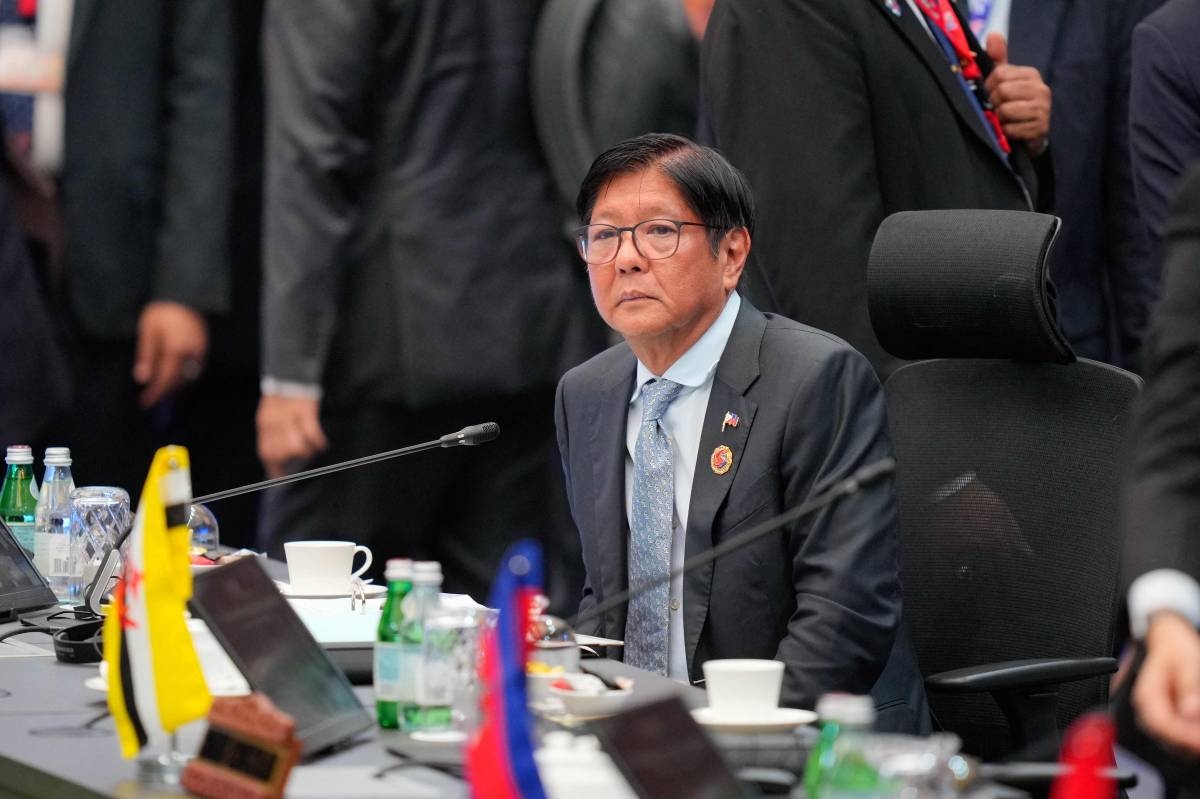
Government Takes Steps to Reduce Costs and Combat Corruption
President Ferdinand Marcos Jr. has announced a significant move to cut costs in key public infrastructure projects for the year 2026. This initiative is part of his administration's broader effort to tackle corruption within the government and ensure that public funds are used efficiently and effectively.
During a pre-departure statement before heading to South Korea, President Marcos emphasized that the Department of Public Works (DPWH) will align its project costs with real market prices, reducing them by up to 50 percent. He made it clear that while the cost reductions would be substantial, the quality of the infrastructure being built would not be compromised.
"The only thing weakened will be corruption," he stated. "This is the accountability our citizens deserve. It will not be limited to the Public Works but shall be the norm across government."
Expansion of Cost Reduction Efforts
The president also mentioned that other government departments, including the Department of Education, Agriculture, Interior and Local Government, Health, Transportation, and the National Irrigation Administration, will adopt the same pricing system as the DPWH. This move aims to ensure that all public spending is transparent and free from unnecessary expenses.
Marcos highlighted that the savings generated from these cost reductions will be directed toward programs that support families, livelihoods, and community development. He stressed that when people are empowered and confident, the nation as a whole benefits.
Addressing Past Corruption Scandals
The cost-cutting measures come in response to a recent corruption scandal that led to significant financial losses for the government. The scandal involved irregular, incomplete, substandard, and "ghost" flood control projects, which the president himself exposed in August.
Public Works Secretary Vince Dizon previously announced plans to reduce the costs of construction materials to ensure value-for-money in public works spending. This aligns with the president's vision of making sure that every peso spent on public infrastructure delivers maximum benefit to the people.
Reallocation of Funds
Marcos also indicated that the allocation for flood control projects under the 2026 National Expenditure Program (NEP) would be redirected to education, health, and other critical sectors. He emphasized that the P350 billion already allocated for flood control projects in 2025 is sufficient and should be fully utilized before any new funding is considered.
Under the 2026 NEP, the DPWH requested P250.8 billion for its flood management program, which accounts for more than a quarter of its proposed P880-billion total budget. This amount is slightly higher than the P248 billion allocated for similar projects in the 2025 national budget.
Implications for the Future
These changes signal a shift in how the government approaches public spending. By focusing on transparency, efficiency, and accountability, the administration aims to build trust with the public and ensure that resources are used where they are needed most.
As the country moves forward, the success of these initiatives will depend on strict oversight and continued commitment to reform. If implemented effectively, these measures could set a new standard for government operations and create a more equitable and sustainable future for all Filipinos.
