SC to Establish Special Courts for Corruption Cases in Flood Control Scandal
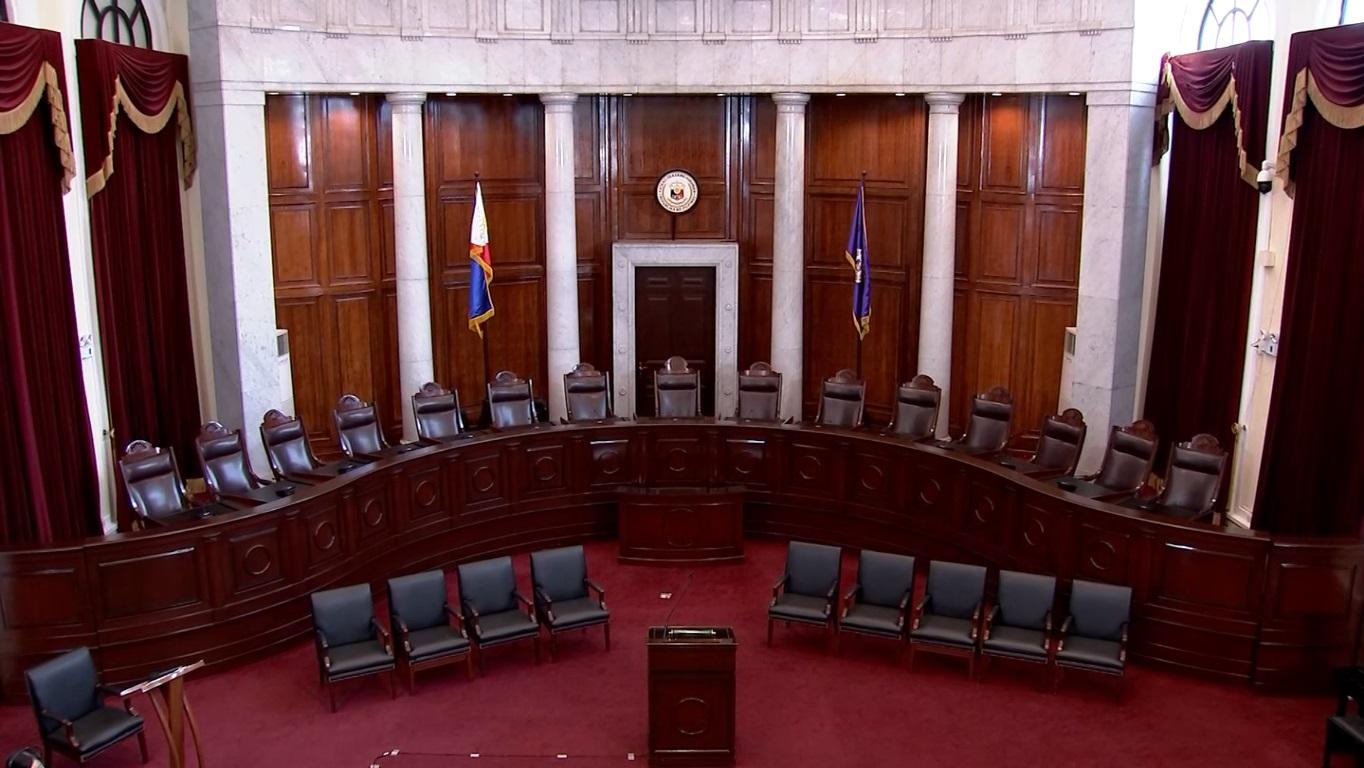
Supreme Court Takes Steps to Address Corruption in Infrastructure Projects
In response to allegations of irregularities linked to the flood control scandal, the Supreme Court (SC) has announced its intention to establish special courts that will exclusively handle corruption-related cases arising from government infrastructure projects. This move is aimed at ensuring that such cases are addressed more efficiently and effectively.
The SC En Banc has instructed the Office of the Court Administrator (OCA) to closely monitor the filing of cases involving corruption in infrastructure projects within the Regional Trial Courts. Once these cases are filed, the SC will designate specific courts to focus solely on corruption-related matters stemming from infrastructure projects. This initiative reflects a commitment to addressing the challenges posed by the current judicial system.
This decision comes after President Ferdinand Marcos Jr. emphasized the importance of building strong and solid cases against those responsible for the alleged misuse of public funds. The president highlighted that the government has only one opportunity to file charges and hold the perpetrators accountable for their actions. He stressed the need for justice to be served in this matter.
Public Works and Highways Secretary Vince Dizon has estimated that losses from the anomalous flood control projects could reach up to trillions of pesos. This figure underscores the severity of the situation and the potential impact on the country's economy and public resources.
In addition to these measures, the Supreme Court has reaffirmed its commitment to implementing reforms under the Strategic Plan for Judicial Innovations 2022–2027 (SPIJ). This plan includes the development of eCourt PH and other digitalization projects designed to modernize the judiciary.
The court stated that these reforms are being implemented across all levels of the judiciary to enhance efficiency, transparency, and accountability. Through the SPIJ, the SC aims to tackle long-standing issues such as delays and case backlogs by institutionalizing efficient processes, adopting innovative solutions, and expanding access to justice for all citizens.
Key Points in the Supreme Court’s Decision
- Special Courts for Corruption Cases: The establishment of special courts dedicated to handling corruption-related cases in infrastructure projects.
- Monitoring by OCA: The Office of the Court Administrator will monitor the filing of cases involving corruption in infrastructure projects.
- President’s Statement: President Marcos Jr. emphasized the need to build strong cases against those involved in the flood control scandal to ensure accountability.
- Estimated Losses: Public Works and Highways Secretary Vince Dizon estimates losses from the anomalous flood control projects could reach trillions of pesos.
- Judicial Reforms: The SC continues to implement reforms under the SPIJ to improve the efficiency and transparency of the judiciary.
Future Implications
The Supreme Court’s decision to create special courts for corruption cases marks a significant step towards addressing systemic issues within the judiciary. By focusing on these cases, the court aims to ensure that justice is delivered promptly and fairly. This initiative also highlights the importance of transparency and accountability in government projects, particularly those involving public funds.
As the SC moves forward with its plans, it is expected that these reforms will have a positive impact on the overall functioning of the judiciary. The implementation of digitalization projects like eCourt PH is anticipated to streamline processes and improve access to justice for all citizens.
The ongoing efforts of the Supreme Court to address corruption and inefficiencies in the judiciary demonstrate a commitment to upholding the rule of law and ensuring that justice is served. This approach not only addresses current challenges but also sets a foundation for a more effective and transparent judicial system in the future.
