Angara Pushes for Lasting Reforms as DepEd Confronts EDCOM II
The Need for Long-Term Education Reforms
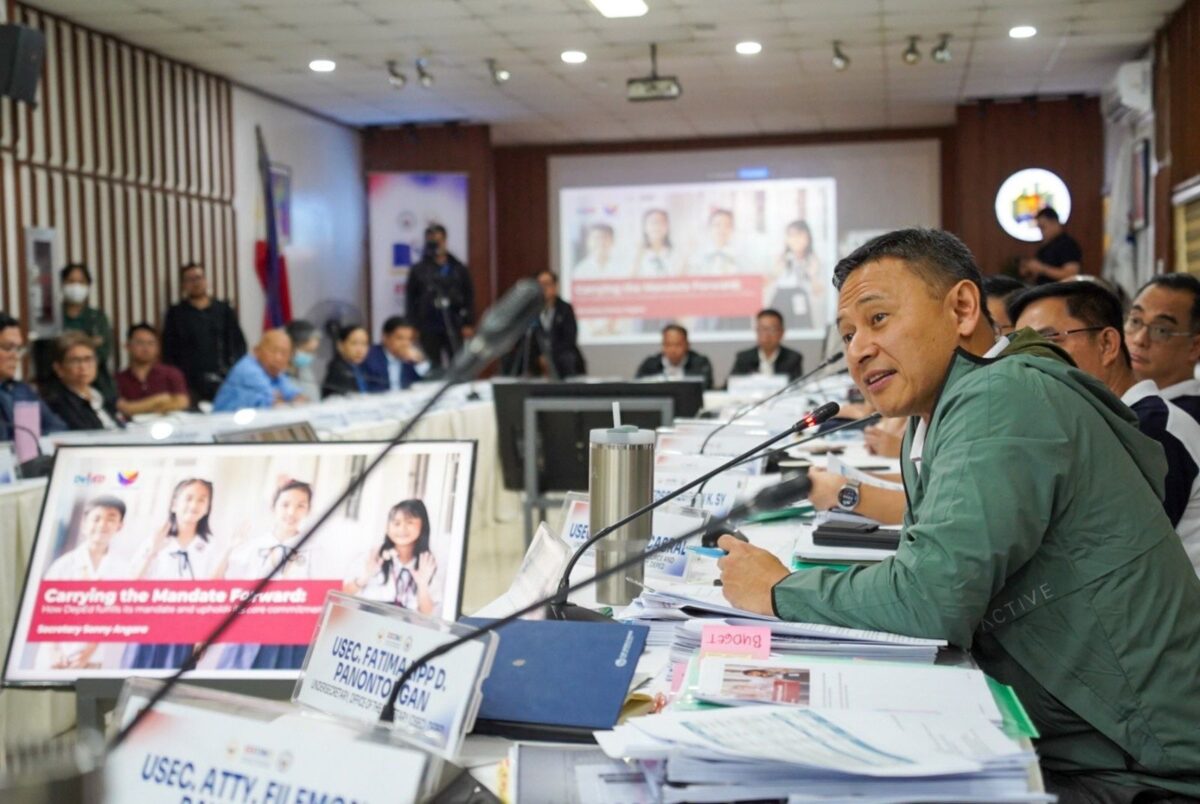
Education Secretary Sonny Angara highlighted the importance of long-term reforms in basic education during a recent session with the Second Congressional Commission on Education (EDCOM II). This meeting took place at Nemesio I. Yabut Integrated School in Makati City, where the focus was on reviewing the DepEd Charter under Republic Act No. 9155. This law outlines the department’s governance and mandate, and EDCOM II is working to update these education laws to address new challenges in policy, resources, and coordination.
Angara emphasized that these reforms are essential to bridging gaps that affect the quality of learning and the overall performance of the education system. He stated, “We need long-term solutions to fix the education system in the country. Our reforms aim to make DepEd more focused, better resourced, and strategically aligned.”
Key Legislative Measures
To address implementation and financing gaps, the Department of Education is pushing for several priority legislative measures:
- Expansion of the Special Education Fund (SEF): This initiative aims to boost local education resources and support schools in various regions.
- Expedited issuance of school site titles: By accelerating this process, infrastructure development can be expedited, ensuring that schools have the necessary facilities.
- New Adopt-A-School provisions: These provisions encourage greater involvement from the private sector, which can provide additional resources and support for schools.
- Teachers in Every Barrio Bill: This bill seeks to ensure equitable teacher deployment across all regions, addressing disparities in educational access.
- Amendments to the Teachers Professionalization Act: These amendments aim to support comprehensive human resource reforms, enhancing the professional development of teachers.
In addition to these measures, DepEd is also proposing amendments to the Masustansyang Pagkain para sa Batang Pilipino Act and the Expanded Government Assistance to Students and Teachers in Private Education (E-GASTPE) Law. These changes are intended to improve access to feeding programs, learner subsidies, and transportation support, ensuring that students receive the necessary assistance to succeed.
A 10-Year Roadmap for Quality Education
These initiatives are part of the DepEd’s Quality Basic Education Development Plan (QBEDP) 2025–2035, a 10-year roadmap designed to create a high-performing, learner-centered, and well-supported education system. The plan envisions a future where every Filipino student has access to quality education and the resources needed to thrive.
DepEd’s presentation noted that since 1982, 49 laws have expanded the department’s responsibilities. However, many of these laws come with specific implementation requirements but lack sustained funding. Persistent challenges include unfunded mandates, resource shortfalls, and systemic gaps that require cross-sectoral coordination.
Coordination Challenges
The agency also participates in 261 interagency councils, which creates coordination burdens that dilute focus and resources. Angara acknowledged that while the department's mandate will continue to evolve, strengthening its foundations now—through improved funding, governance, and inter-agency alignment—can finally make the system work for every Filipino learner.
By addressing these challenges and implementing the proposed reforms, DepEd aims to build a resilient and effective education system that meets the needs of all students. The ongoing efforts to update education laws and enhance collaboration between sectors are crucial steps toward achieving this goal.
