Freezing Food Wrong? 9 Mistakes Ruin Taste, Texture, and Freshness
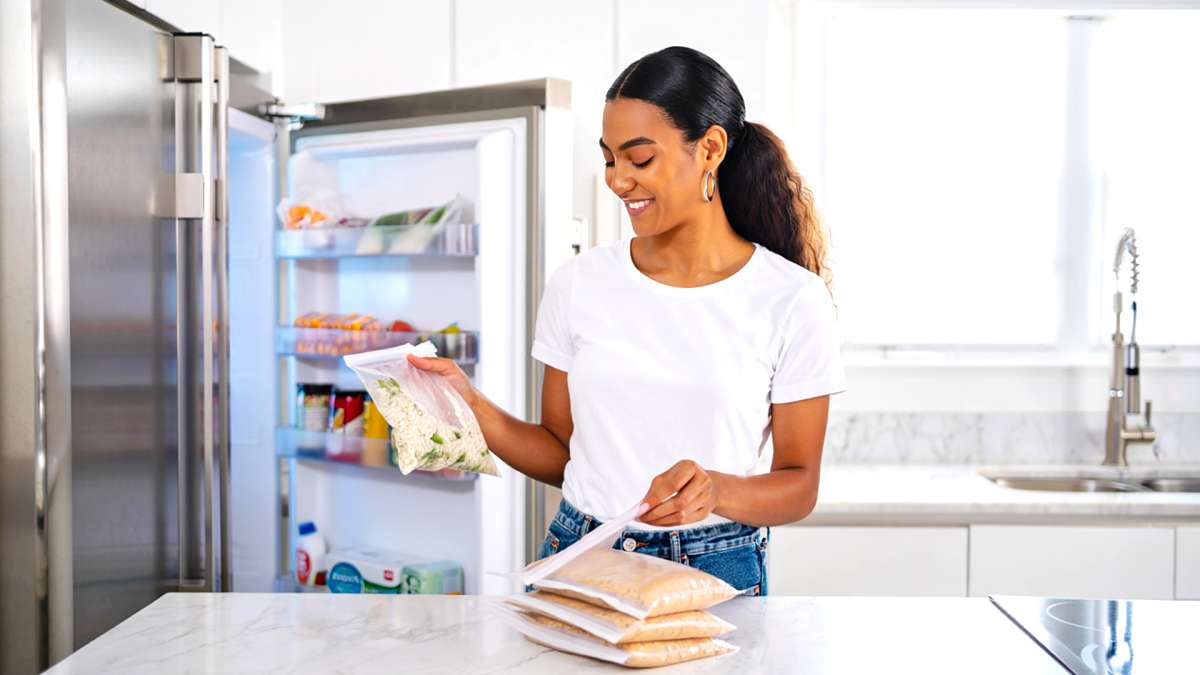
Freezing food might seem straightforward, but many people make mistakes without realizing it. These errors can lead to food that tastes like it's been in the fridge for too long, meats that are dry, sauces that separate, and vegetables that lose their color and flavor. The good news is that with a few simple changes, you can keep your frozen foods tasting fresh and maintaining their original texture.
Here are the 9 most common mistakes when freezing food—and how to avoid them for good.
1. Freezing Food While It’s Still Warm
This is one of the biggest mistakes people make. When you freeze food while it’s still hot, the heat increases the humidity inside the container, leading to ice crystal formation. These crystals can damage the texture of the food. To prevent this, let the food cool down completely before freezing. You can also place it in the refrigerator for about 30 minutes first.
2. Using the Wrong Containers or Bags
Not all containers and bags are suitable for freezing. Use airtight containers or freezer bags to keep air out. Air is a major culprit when it comes to flavor loss, so making sure your food is properly sealed is essential.
3. Not Removing Air Before Sealing
Air causes oxidation, which can give meats and sauces an odd taste and a grayish color. A simple tip from chefs is to press the plastic bag tightly before sealing it or use a straw to suck out the excess air. This small step can make a big difference in the quality of your frozen food.
4. Freezing Large Portions
The thicker the layer of food, the longer it takes to freeze, and the more ice forms inside. This can affect the texture. Instead, divide your food into smaller portions. This way, they defrost quickly and maintain their original texture.
5. Not Labeling or Dating the Food
It's easy to forget what's in your freezer. Without labels and dates, you might end up tossing out food that’s still good. Always label your containers with the name of the food and the date it was frozen. This helps you keep track and avoid waste.
6. Skipping the Blanching Step for Vegetables
Raw vegetables can lose their color, flavor, and texture if frozen without preparation. The solution is to blanch them: soak them in boiling water for 1-2 minutes, then transfer them to ice-cold water. This process helps them retain their vibrant color and fresh taste for months.
7. Refreezing Thawed Food
Freezing, thawing, and refreezing can significantly reduce the quality of your food and pose a safety risk. Plan ahead and only freeze what you know you’ll eat later. This helps maintain the quality and safety of your meals.
8. Defrosting at Room Temperature or in the Sink
Defrosting food in the sink or at room temperature can allow bacteria to grow on the surface, even if the center is still frozen. Always defrost food in the refrigerator or use the microwave’s defrost function. This ensures safer and more even thawing.
9. Freezing Everything Without Consideration
Not all foods are suitable for freezing. Items with high water content, such as mayonnaise, leafy greens, and fresh fruits, can lose texture and separate when thawed. It’s better to freeze cooked sauces, soups, meat, and blanched vegetables, as these tend to retain their original flavor and texture.
Freezing food is an art, and it can be a smart move in the kitchen. With small adjustments, you can reduce waste and always have tasty meals ready at any time. Remember, the freezer isn’t the problem—it’s how you use it. Now that you know these tips, your dishes will never taste like ice again.
