Japan's Parties Unite for Free High School by 2026
Introduction to the Free High School Education Program
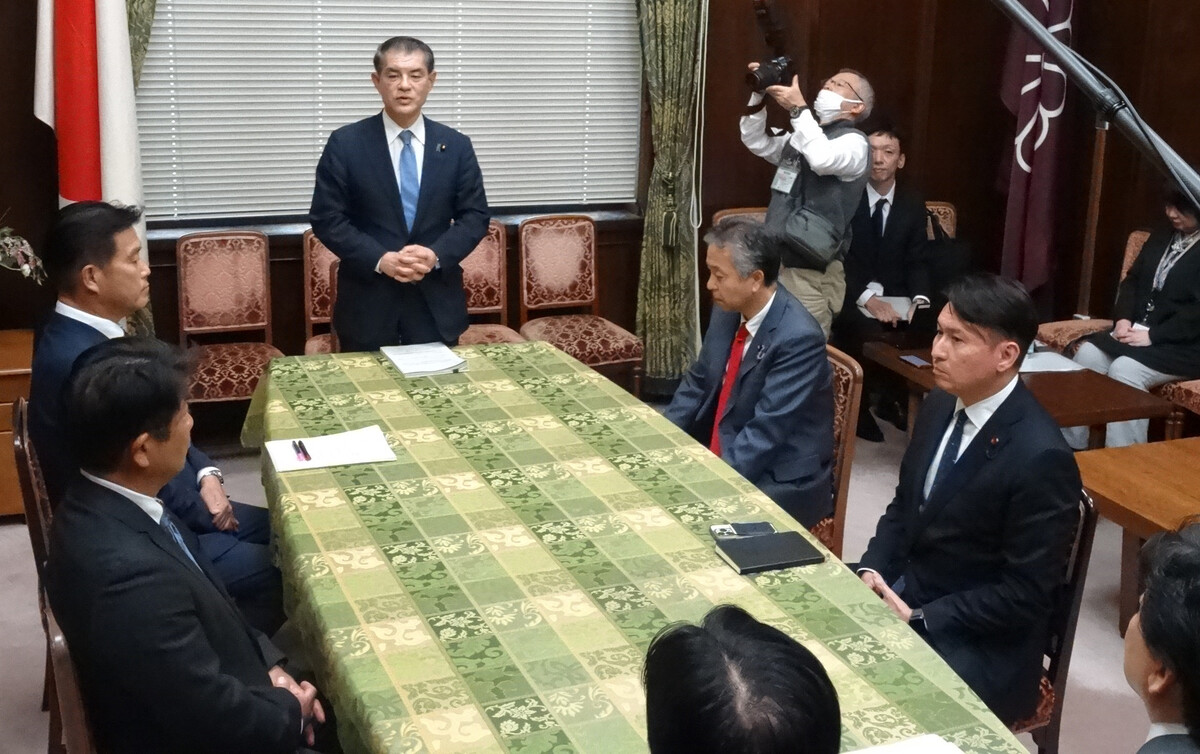
In a significant move, Japan's ruling Liberal Democratic Party (LDP), Nippon Ishin no Kai (Japan Innovation Party), and Komeito have reached an agreement to implement a program in fiscal 2026 that will effectively make high school education free. This decision comes after a meeting between working-level officials from these political groups, marking a shift in educational policy.
Key Details of the Agreement
The agreement includes several important provisions. One of the main points is the increase in the upper limit for existing subsidies. For full-time private high school students, the subsidy limit will be raised from the current 396,000 yen to 457,000 yen. Correspondence school students will also see an increase, with the limit going up to 337,000 yen.
This change is expected to have a significant impact on students and their families. Former education minister Masahiko Shibayama of the LDP emphasized the importance of this agreement, stating that it is crucial to fully inform schools about the changes so that students can make informed decisions about their future courses without worries.
Exclusions and Additional Measures
It is important to note that the free education program will not cover foreign students who are not expected to reside permanently in Japan. Additionally, foreign schools will not be included in the program. However, there are plans to maintain the current level of financial assistance through separate measures.
The implementation of this program may lead to a decrease in the number of students applying for public high schools, which currently have lower tuition fees compared to private institutions. To address this, a new subsidy system for prefectural governments will be established to help public high schools enhance their appeal and competitiveness.
Preventing Tuition Increases
To ensure the success of the free education program, the three parties have agreed to take steps to prevent private high schools from raising their tuition fees to take advantage of the initiative. This includes having the central government monitor tuition information online, ensuring transparency and fairness.
Financial Sustainability
The agreement also highlights the need to secure permanent financial resources for the free education program. This includes potential tax system reforms to support the initiative. Importantly, the policy states that existing funds will not be used for this purpose, ensuring that the program is financially sustainable in the long term.
Conclusion
The introduction of the free high school education program represents a major step forward in Japan's educational landscape. By making high school education more accessible, the government aims to provide students with greater opportunities and reduce the financial burden on families. With careful planning and implementation, this initiative has the potential to significantly impact the future of education in Japan.
