Ombudsman Gains Bank Access Without Court Order
The Need for a Stronger Ombudsman
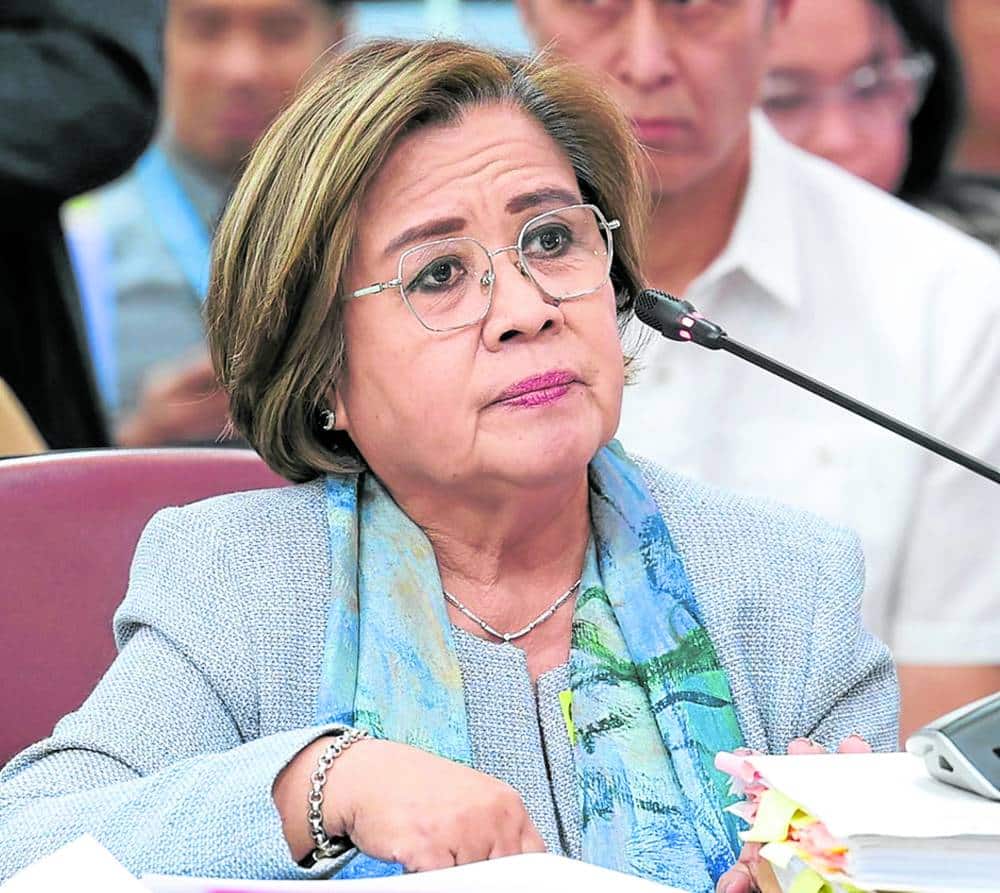
In a significant move aimed at strengthening the Office of the Ombudsman, Mamamayang Liberal (ML) Party-list Representative Leila M. de Lima has introduced House Bill No. 5701. This proposed legislation seeks to grant the Ombudsman greater authority by allowing it to examine and access bank accounts and records during investigations without requiring a court order.
The bill aims to amend two key provisions: Section 15 (8) of Republic Act No. 6770 and Section 2 of Republic Act No. 1405. These amendments are intended to explicitly give the Ombudsman the power to inspect bank records during any investigation or inquiry, even in the absence of a pending case in court.
If passed, the Ombudsman would be empowered to:
- Administer oaths
- Issue subpoenas and subpoena duces tecum
- Take testimony in any investigation or inquiry
- Examine and have access to bank accounts and records that are the subject of its inquiry or investigation without needing a case in court or a court order
This initiative is seen as a response to the Supreme Court’s 2001 decision in Marquez v. Desierto, which ruled that the Ombudsman could not compel access to bank accounts unless a case was already filed in court. De Lima argued that this ruling "practically rendered useless the power of the Ombudsman to issue subpoenas with respect to bank records and accounts."
A History of Secrecy and Lack of Transparency
The situation was further exacerbated by former Ombudsman Samuel Martires, who imposed restrictions on accessing public officials’ Statements of Assets, Liabilities and Net Worth (SALNs). This move contributed to a culture of secrecy and undermined transparency in the management of public funds.
Ombudsman Jesus Crispin Remulla, who recently took over from Martires, has pledged to reverse these practices and take a more active role in prosecuting officials found guilty of wrongdoing.
Addressing Corruption and Mismanagement
De Lima emphasized that the proposed measure is designed to close loopholes that have enabled the concealment of ill-gotten wealth and the laundering of public funds. This is particularly relevant given the ongoing flood control scandal involving the Marcos administration.
With billions of pesos lost to corruption, empowering the Ombudsman to act independently of the courts is crucial in holding those who misuse public funds accountable. De Lima stressed that the Ombudsman, as the people’s guardian, must have the necessary tools to investigate anomalies, especially since corrupt officials continue to exploit legal loopholes to hide their misconduct.
The Path Forward
The introduction of House Bill No. 5701 marks a critical step toward restoring public trust in the Office of the Ombudsman. By granting it the authority to conduct independent investigations, the bill aims to ensure that justice is served and that those who abuse their positions are held responsible.
As the country continues to grapple with issues of corruption and mismanagement, the need for a strong and empowered Ombudsman has never been more pressing. With the right legal framework, the Office of the Ombudsman can play a vital role in safeguarding public interests and promoting transparency in government operations.
