Pope Urges Catholic Educators: Prioritize Spirituality Over Career Goals
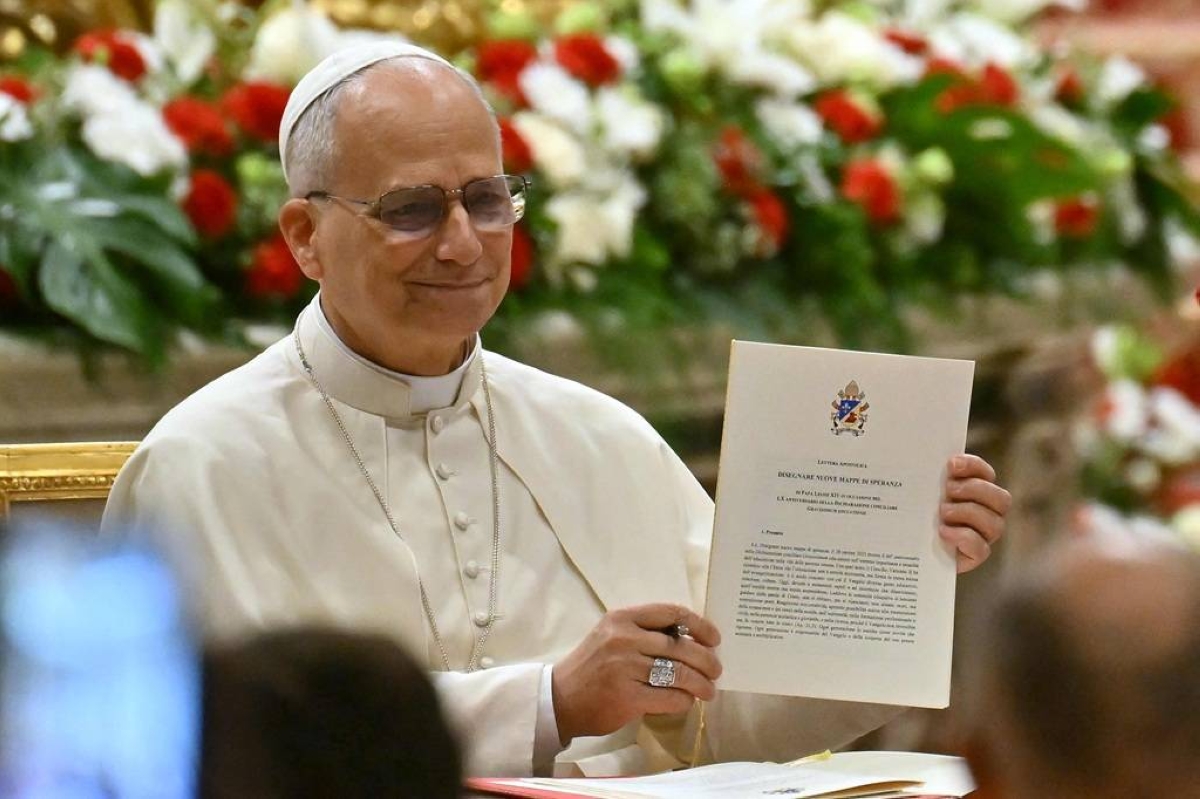
Pope Leo XIV's Vision for Catholic Education
Pope Leo XIV has issued a significant message to Catholic educators, emphasizing the need to shift focus from pre-professional outcomes to fostering rich spiritual lives among students. His guidance comes during a special Holy Year celebration, drawing thousands of teachers, students, and administrators to Rome. This event highlights the importance of education within the Catholic Church and its commitment to shaping not just skilled professionals but also individuals with a deep sense of faith and moral responsibility.
The Pope’s message is an update to a 1965 Vatican document that outlined the priorities for Catholic educators. This document was adopted during the Second Vatican Council, a pivotal moment in the Church's modernization efforts. The updated text reflects the evolving challenges and opportunities in contemporary education, particularly in the context of technological advancements and societal changes.
The Role of Catholic Schools
Catholic schools play a crucial role in the global educational landscape. According to Vatican statistics, the Church operates over 225,000 primary and secondary schools, enrolling approximately 2.5 million students at Catholic universities worldwide. These institutions are not only centers of academic learning but also places where faith and values are nurtured.
Pope Leo XIV emphasized the importance of collaboration between parents and Catholic schools. He stated that parents are the primary educators of their children and that Catholic schools must work alongside them rather than replace their role. This partnership is essential in ensuring that students receive a well-rounded education that includes both academic and spiritual development.
Educators as Role Models
In his message, the Pope highlighted the responsibility of Catholic educators beyond their professional duties. He stressed that their witness is as important as their lessons, advocating for ongoing training in both academic and spiritual fields. This call to action underscores the need for educators to be exemplary figures who inspire and guide their students.
While the Pope did not address specific issues such as teachers’ private lives or sexual orientation, he avoided the controversies surrounding cases where gay teachers have been dismissed by Catholic schools in the United States. Instead, he focused on broader principles of dignity, justice, and service to the common good.
A Vision Beyond Efficiency
Leo’s vision for Catholic education is rooted in values that go beyond efficiency and output. He emphasized that the true measure of education lies in the promotion of human dignity, justice, and the capacity to serve the community. This perspective stands in contrast to a purely mercantilist approach that often reduces education to functionality and practical utility.
The Pope also referenced the priorities set by his predecessor, Pope Francis, which include inclusion, ecology, and the common good. He urged Catholic educators to emphasize the interior spiritual life of students, use a “disarmed and disarming” language that avoids violence, and promote a responsible use of technology, including artificial intelligence, while keeping human dignity at the forefront.
The Catholic School as a Living Environment
According to Pope Leo XIV, the Catholic school is more than just an institution; it is a living environment where faith, culture, and life intersect. He described it as a place where the Christian vision permeates every discipline and every interaction. This holistic approach to education aims to cultivate not only intellectual growth but also a deep sense of purpose and ethical responsibility.
In conclusion, Pope Leo XIV’s message serves as a reminder of the transformative power of education within the Catholic tradition. By focusing on spiritual development, ethical values, and the responsible use of technology, Catholic educators can contribute to a more just and compassionate society. The vision articulated by the Pope encourages a reimagining of education that prioritizes the dignity of every individual and the common good.
